Showing posts with label review. Show all posts

Monday, 31 August 2015

'What Went Down' and Why on Foals' Fourth Album...


This year Foals came back, having in mind their past, rather quickly, with a new record, “What Went Down”, that was released on 28 August via Transgressive. The wait was fuelled by releases of yet two more bangers – the title track, “What Went Down” and “Mountain at My Gate” – and later, a more Foal-esque “A Knife in The Ocean”, the closing track of the record. The band rambled about ‘channelling my inner madman’ (said Yannis Philippakis, the authoritative frontman), recording in France, in the asylum, where poor van Gogh spent his time after cutting his ear off, and doing so (recording, that is) whilst indulging themselves in the emptying of 30 bottles of wine. Challenging oneself and stepping out of the comfort zone have always being key words in a Foals interview, yet this time they seemed to indicate the arrival of something great and staggering.

“What Went Down” starts as bold as it possibly could: with the title track, that is the best song on the album and that smashes your brains instantly. I was surprised to see many people complain that “What Went Down” is not as massive a lead single as “Inhaler” was – for me it’s the opposite: where “Inhaler” lacks lasting effect and doesn’t maintain the power throughout (honestly, I failed to fall in love with that song to this day), “What Went Down” strikes hard and doesn’t think twice. But this time Foals go even deeper and harder. The 3/4 time and the synth madness plus the fully controlled dynamics and unmatched impetus – all drives this to a huge cathartic finish. The second track, “Mountain at My Gate”, on the other hand, fails to impress in the same way (if that is possible at all) – it sounds even less Foals than the first track, the guitar work being somewhat boring and uninspired. The chorus, on the other hand, is wonderful and massive once again, but the other parts fail to maintain the dynamics while the screaming and stumping ending has always for some unclear reasons reminded me of the Wild West and dreadful American country music…


“Birch Tree”, after all, reassures you that you’re actually listening to a Foals record… Yet it brings not some pleasant “Antidotes” or glorious “Spanish Sahara” or “Black Gold” memories, but a blurry hangover from “Miami”. If I didn’t find “Mountain at My Gate” convincing, this track I find slightly annoying. The next cut, “Give it All” reminds me of the unlikely likes of Coldplay… Rather bland lyricism rivals with rather interesting ambience not at all reminiscent of “Total Life Forever”… ‘Give me the red light turning green’ – gently (?!) mumbles Yannis only to shout on top of his voice in the closing section of the song, while Jack Bevan adds some drama on drums. Here Foals again sound like themselves but their mature selves…


“Albatross”, once again, sorry for my sometimes inappropriate associations, reminds me of Coldplay (“God Put a Smile upon Your Face”, in particular) and Radiohead as well. While the vocal melody is something rather pleasant, the lyrics don’t cut it once again. Of course, the main metaphor is really neat and worth praise. The drums and unexpected dominance of synth takes charge and brings the whole thing to life. However, the production often overshadows the song itself. “Snake Oil” reminds me of Interpol’s “Roland”, even if a rather electronic take on something like that, while at the same time looking back at some early day eccentrics (“Tron”, “Astronauts and All”), but here again it seems slipping away into the glorious land of British lad rock a la Arctic Monkeys (producer James Ford may be the missing link), a place I consciously try to avoid, with worn-out riffs and swag, and slick production. However, here comes “Night Swimmers” and saves the day: clear high-pitched guitars, masterful bass from Walter Gervers and always top notch percussion from Jack Bevan gives you hope. And when Philippakis screams ‘Skyyyyyyyyyyyy’, you see the sky. So, finally, I found something. Here Foals sound really being themselves, just even better.

But after the hazy summery world of “Night Swimmers”, it all turns into gloom with “London Thunder”, that reiterates one of the common themes of the album lyrically – aging and coming back. Here the guitar is again deeper and darker, while Philippakis mumbles sadly. Yet the chorus sounds way too pop and way too predictable to truly impress. “Lonely Hunter” is a deeper take and even if it reminds me of Interpol’s “My Blue Supreme” somehow, but here a confident Philipakis takes control and the music follows suit.

The last song, “A Knife in The Ocean”, perhaps the longest to date Foals song (at least to be released on an album), gives this cold and serious air of being gracious like nothing else. Here Yannis once again finds a way to sing in a moving way and be quite meaningful at the same time while Jimmy Smith finds some overlooked effect pedals to fool around with. At last some inventive and interesting music. The song is huge but in quite a different way than the opener is. Here Foals do not simply try to mimic “Spanish Sahara” as they apparently did on “Late Night” from “Holy Fire”, but invent a similar yet new way to do something as big. However, just like with ‘London Thunder’, the chorus sounds a bit too whimsical and reminds one of a drunken sing-along in a pub. But I can’t pretend to dislike this song. A grand way to close an album.

One can ask, why do I constantly check with myself about this or that sounding ‘like’ Foals or not sounding like Foals. Well, to me this band seem to have their own aesthetic, a kind of charm that other bands don’t have and this kind of sound that I found in “Antidotes” and “Total Life Forever” is embedded in my head as the standard of Foals, a yardstick against which I unconsciously measure all that I have heard from the band since getting first acquainted with their first two albums. Is there any point in it? I guess no, especially given that things have changed, a lot being lost ‘in the hungry sea’ (the closing track) perhaps and perhaps the band themselves feel better now – a thing I tend to value. You can hear that in so many songs on “What Went Down” Philippakis sounds far more confident and stronger than on previous albums, even than on “Holy Fire”. Songs like “Night Swimmers” and “A Knife in the Ocean” strongly remind me of the ‘old Foals’, but here the lead singer is more confident and comfortable with himself and you can’t blame him for that… But other songs, say, “Mountain at My Gates” or “Snake Oil” sound simply unfamiliar and remind you of the annoying kind of indie that is the shtick of Kasabian and Arctic Monkeys.

The other thing the band tended to repeat before the release was channelling your inner madman, according to Philippakis. And I cannot find it anything but morbid to boast about staying where van Gogh after cutting his ear stayed… Honestly, this romanticising of ‘going mad’, ‘being batshit crazy’ is overestimated and is potentially dangerous. As someone with real mental problems, I hardly find such things ‘cool’ and ‘trending’. But, after all, listening to this record throughout, I didn’t notice anything mad and anything that could be called stepping outside your comfort zone. Is shouting on top of your voice how people imagine ‘getting mad’? Hmm, then yes, the title track and “Mountain at My Gates”, along with a few more moments in other songs can supply your dose of comfortable madness, ladies and gentlemen. The lyrics, too, don’t give any insights into the darkest crevices, in his own words, of Philippakis’s mind – but what they do, is things like ‘Lost my mind in San Francisco/A worn out disco, temper’s cool’ (on “London Thunder”) that for me sound kind of too easy. Of course, the singer finds moments of glory here and there (“Birch Tree” and “A Knife in the Ocean” most notably), and such episodes as the one mentioned above occur fairly rarely, but just as rarely as he genuinely, there in those dark crevices, strikes gold. The overall aesthetic of “Mountain at My Gates” and the closing track (partially) are good examples too, while the best song of the record, “What Went Down”, lyrically lacks its own aesthetic, rather borrowing from here and there (‘So stay away kid, you’ll never be found/While you were sleeping I took over you town…’). But nothing here is madder than anything that could be found on any previous record by the band. Driving cars without the breaks and running bloody after a (casual and random, huh) fistfight reiterates the ‘let’s go mad’ narrative but only in a superficial way.

But, does “What Went Down” go down, at least in the lineage of Foals albums? While most of my review might look like leading to an unsatisfactory mark, I wouldn’t be so harsh, after all. As a whole, as record, this album sounds better than “Holy Fire”. It’s somewhat hard to imagine a band making a record that is without any weak moments whatsoever (such records, of course, do exist), and even the marvellous “Total Life Forever” did have its weaker takes, like “Miami”. I wasn’t that comfortable with “Holy Fire”, apart from a few stronger cuts, by the way, the ones mostly overlooked, while this album at times, not throughout, though, sounds more welcoming and more confident. Thus, what’s the conclusion? Foals do their thing – nowadays it’s not actually the same thing they did in 2007, nor in 2010, but it’s still their thing mostly – maybe not as mad as they wish it to be, but this record has it’s big moments, found both in the ferocity and even more often in the thoughtful calm. What I find kind of sad is that post rock influences and huge reverb, like on “A Knife in The Ocean” are almost extinct here, while I find more post punk and alternative rock, and sometimes it does seem closer to the early days than “Holy Fire” did. More than a few times “What Went Down” is a welcoming and gripping record by a strong band that never completely disappoints.

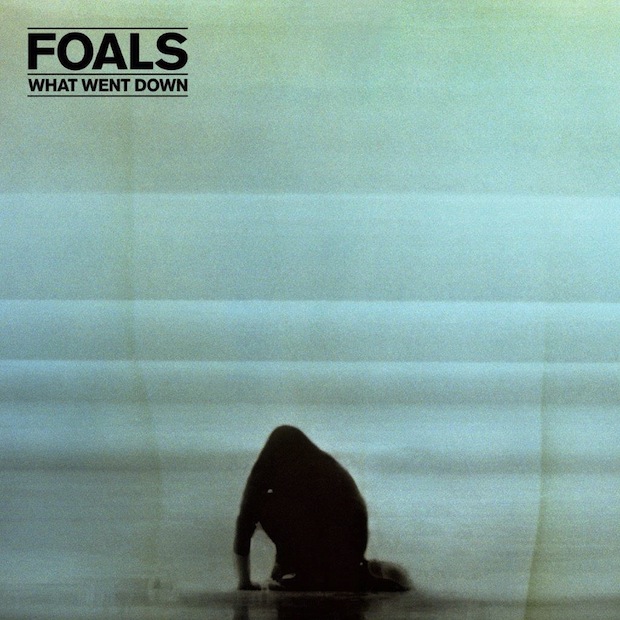
P.S. I have noticed that Foals album covers come only in two colours – yellow and blue – alternating throughout their career.


Foals:

https://twitter.com/foals
https://www.facebook.com/Foals
https://soundcloud.com/foals
http://instagram.com/foals
http://www.youtube.com/foals
http://www.foals.co.uk/

Buy “What Went Down” here:

https://itunes.apple.com/lt/album/what-went-down/id1003779288
http://www.thestereoboutique.com/en/s/foals?intcmp=121205/foals/wbr/ctt/s_hp/txt/bdy/uk/store
http://www.amazon.co.uk/dp/B00ZG493NU?tag=smarturl-gb-21

Sunday, 30 August 2015

Šalta Foals vasara


Nėra geresnio būdo užbaigti kažko tuo, nuo ko pradėjai. Prieš pusantrų metų aš pradėjau rašyti recenzijas čia nuo Foals albumo „Holy Fire“ recenzijos, o dabar pristatau savo įžvalgas apie naujausią šių britų darbą – „What Went Down“, išleistą rugpjūčio 28 d. Transgressive Records. Ši man itin brangi grupė pradėjo savo karjerą nuo matematinių nuklydimų ir triukšmingų vakarėlių, bet  labiau išgarsėjo ne tuo, ir net ne geriausių savo darbu – 2010-ųjų „Total Life Forever“, – bet kaip didingų, festivaliams pritaikytų, piktokais dantytais riffais apginkluotų dainų kūrėjai- toks ir buvo jų proveržio albumas, jau minėtasis „Holy Fire“. Nepanašu, kad šie britai ruoštųsi sustoti, bent jau patys jie teigia, kad šis, naujausias, jų albumas yra garsiausias ir sunkiausias, o vokalistas Yannis Philippakis teigia jame atradęs savyje „vidinį beprotį“. Ir visa tai jie įrašė su Artic Monkeys ir Florence + The Machine prodiuseriu Jamesu Fordu pietų Prancūzijoje, kur buvojo vietoje, kur kadaise buvojo ausį nusipjovęs van Goghas ir kur grupė sėmėsi įkvėpimo iš kraštovaizdžio ir 30 butelių vyno... Kas išėjo?

„What Went Down“ prasideda negailestingai ir iš karto eina prie reikalo – titulinė albumo daina, sunkumas ir triukšmas, kaip ir žadėta ir nė vienos sekundės atokvėpio per visas keturias minutes. „When I see a man/I see a liar“ paklaikęs šukauna Philippakis ir išties pasidaro kraupu. Bet kur užpernai „Inhaler“ man pasirodė perdėm vienmatiška, „What Went Down“ eina iki galo ir kapoja be gailesčio. Ypač stipru yra dalis su 3/4 metru ir sintezatoriais, po kurių trumpas atsigavimas (tada jauti išties esmingą kraupumą) ir galingas finalas. Foals moka kurti sunkesnę muziką, bet ši daina, kartu su viena ankstyvųjų – „Mathletics“ – yra tie geri pavyzdžiai, kaip gerai jie tą visada sugebėdavo. Šių dviejų dainų skirtumai kaip ir atspindi grupės pažangą per 8 metus.


„Mountain at My Gate“, kita vertus, nors prasideda galingai, tačiau kiek per daug nuklysta į post punk lankas ar šiaip į paprastą ir nepretenzingą gitarinės muzikos daržą, kuriame ir taip daug kas kuisiasi, tad gal kumeliukams ten ne vieta. Gitaros skamba kažkaip „ne-Foalsiškai“, nors priedainis vis dar įtikinamas ir jaudinantis. Tiesa, plynaukštė, kurioje trumpam apsistojama ir kurioje vystosi gitaros solo, yra gana nyki. Pabaiga bando išspausti viską, ką tik įmanoma, bet gaunasi kažkoks laukinių Vakarų salūnas. Tiesa, šios dainos video tikrai nenuvilia. Na, nėra ir pati daina tokia bloga, tačiau po „What Went Down“ ji nublanksta, be to, kai kurie sprendimai atrodo perdėm popsiniai.

„Birch Tree“ maloniai primena senąjį gerąjį Foals skambesį circa „Total Life Forever“ (ypač dainą „Miami“) ir parodo, kad Philippakis vis dar turi parako kaip dainų žodžių kūrėjas. Bet visumoje, daina nykoka ir pabaiga atrodo kiek užtęsta. „Give it All“ man asmeniškai priminė Coldplay, o tai nėra geras dalykas... Čia Foals, lyg pavargę nuo pačių sau primesto tempo, nusprendė galutinai pailsėti su paprastute balade. Tik galingi ir įtikinami Jacko Bevano būgnai pabaigoje bent kažkiek gelbsti padėtį.

„Albatross“ tęsia būgnų temą, tačiau kiek per daug užsižaidžia su efektais ir produkcija. „You've got an albatross around your neck“ – įtikinimai dainuoja Yannis, bet nepamanykite kad jis visiškai kliedi – „albatrosas apie kaklą" yra gana retas frazeologizmas, reiškiantis kaltę ir frustraciją. Daina stiprokai primena „Electric Bloom“ iš ankstyvojo grupės repertuaro, bet nedaro tokio pat stipraus įspūdžio, kaip pastaroji. Visgi čia grupė jau rodo atsigavimo ženklus ir atrodo pailsėjusi po dviejų prieš tai ėjusių dainų atsipūtimo.

„Snake Oil“ prasideda kaip kažkoks kompiuterinio žaidimo soundtrack'as, bet vėliau įsivažiuoja ir tiesu taikymu įvažiuoja į britiško lad rock'o lankas, šiaip jau priklausančias Kasabian ir Arctic Monkeys. Atsipūtęs riffas ir rimti beat'ai. Kažkuo primena Interpol dainą „Roland“, nors ir nueina elektroniniais keliais. Apskritai, dainos esmę stipriai užgožia produkcija, ištirpinanti bet kokį natūralumo likutį.

„Night Swimmers“, priešingai, sugrąžina gerus laikus su aukštais gitaros tvinksniais ir įdomiais ritmais. Viskas beveik kaip senais laikais, tik Yannis skamba kur kas solidžiau ir labiau atsipūtęs. Ir tai gerai. Čia žaismingi būgnai ir Edwino Congreave'o žaidimas su sintezatoriais, pridėjus stiprų Jimmy Smith'o riffą, duoda vaisių – tikrai viena geresnių dainų iš pastarųjų dviejų grupės albumų.

Tačiau po akinamos vasaros ir linksmų nuotykių ateina sunkus rytas... „London Thunder“ gitara vėl surimtėja, Yannis irgi pasidaro melancholiškas ir pradeda svarstyti apie prabėgančius metus ir pasikeitusį gyvenimą. „And now the table have turned/I'm older“- sako jis per priedainį, kuris, tiesa, kiek numuša tikrai stiprią šios dainos nuotaiką. „Lonely Hunter“ lyg ir tęsia tą pačią amžinumo ir laikinumo temą, tačiau čia nuotaika jau giedresnė. Kažkoks atsipūtęs post punk'inis skambesys ir neįkyrūs vokalai tikrai padaro šia daina viena geresnių albume, nors priedainis ir vėl skamba kiek per paprastai.

Galiausiai, ateina pabaiga ir nėra geresnio būdo atsisveikinti su šiuo albumu negu daina „A Knife in The Ocean“ su jos genialia vokalo melodija ir puikiomis gitaromis. Čia viskas skamba neįtikėtinai rimtai bet nenuobodžiai: prasidėjusi nuo varpo dūžio, daina lėtai plaukia savo kryptimi, primindama mums kas mes buvome ir kas esame dabar. „Oh, all the things we've once believed/Are lost in the hungry sea“ – per triukšmingą priedainį dainuoja Philippakis, pritariamas bosisto Walterio Gerverso. Tačiau ne priedainiuose čia jėga, o lėtame tekėjime tarp jų. Keli momentai tylos ir gitaros delay pedalo feedback'as ir visažinio Yannio Philippakio balsas mus veda tolyn/gilyn. Ir iš tiesų susimąstai, ką praradai „in the roaring sea“... Kad ir kiek nusivylimo būtų buvę šiame albume, šita daina neleidžia pamiršti Foals: jie vis dar moka savo dalyką ir kai jau nebetiki, kad vėl bus kažkas savo, randi.

Matyt, paskutinėje dainoje užkoduotas atsakymas į mano amžiną priekaištą šiai grupei – kodėl pastarieji du albumai skamba „ne-Foalsiškai“? Visa tai, matyt, jau praėjo ir nebegrįš, taigi reikėtų gal vertinti grupę pagal jos esamą formą, o ne pagal praeities nuotrupų kiekį dabartinėje kūryboje. Taip, šis įrašas ir vėl mano akyse nepasiekė „Total Life Forever“ aukštumų, hmm, netgi įtikinamai nenugalėjo „Antidotes“. Tačiau šen bei ten vis dar randi tų elementų, dėl kurių myli šią grupę – gitaros iš „Night Swimmers“, būgnai iš „Albatross“, vasariškas atsipūtimas „Birch Tree“ ir neaprėpiama didybė „A Knife In The Ocean“ dainose, be to, nereikėtų aklai atmesti ir naujos Foals kokybės – sunkumo ir triukšmingumo, kaip titulinėje albumo dainoje ar toje pačioje „Mountain at My Gates“. Ypač pirmosios atveju, sunku atsispirti šitai galingai, viską naikinančiai srovei, kuri vietomis užsistovi ir bando įvairius variantus, bet dažniau apsistoja ties įprastais ir visuotinai priimtinais. Net ir bandydami labiau susitapatinti su gitarinės muzikos scena, Foals išlaiko kažkiek originalumo.

Kitas dalykas, kurio nesinorėtų praleisti pro akis, yra idėja, kad palaksčius po buvusią psichiatrinę ligoninę, kur dienas leido van Goghas, ir išgėrus kažkiek vyno, o gal dar ko pridėjus, galima įsijausti į bepročio vaidmenį ir visa tai paversti kažkuo vertu dėmesio. Mintis, kad psichinė liga yra smagu ir kieta, yra gana keista ir man sunkiai suprantama. Be to, nesimato, kad savo sąmonės tamsiausiuose užkaboriuose Yannis būtų radęs šio to išties galingo. Kiek per daug šiame albume vietų, kur jo dainų žodžiai atrodo nuobodžiai ir nuspėjamai, nors „Birch Tree“ ir „A Knife in The Ocean“ jis vis dar skamba įtraukiančiai. Jeigu beprotybės pavaizdavimui užtenka garsiau parėkti kaip „What Went Down“ ar „Mountain at My Gates“ dainose, tai gal ir esama čia tos beprotybės, kaip ir šūksniuose „Snake Oil“ dainoje. Visgi, ar bet kas beprotiška yra menas, yra neatsakomas klausimas. Ar verta paaugliškai paistyti apie vairavimą be stabdžių ar lakstymą naktinėmis gatvėmis susikruvinus per muštynes, hmm? Sakyčiau, kad vargu. Paviršutiniškas ir lėkštas naratyvas gana dažnai yra neatsiejamas nuo šio albumo, deja.

Visgi, negalima taip paprastai ir atmesti Foals naujausio įrašo – taip, toli gražu ne viskas jame yra vienodai įdomu ir išradinga, tačiau kelios geros dainos atperka daug nuklydimų. „What Went Down“, „Night Swimmers“ ir „A Knife In The Ocean“ yra nepriekaištingos dainos, parodančios, kad Foals vis dar sugeba kurti ne šiaip banalų, kad ir kiek tūkstančių į festivalius pritraukiantį indie rock'ą, bet ir šį tą giliau ir rimčiau. „London Thunder“ ir „Lonely Hunter“ pasirodo šiek tiek silpniau, bet irgi yra įdomios. Kitos dainos, daugiau ar mažiau, yra blankios ir nerišlios. Arba per daug rišlios, kaip „Snake Oil“ ar „Albatross“. Tačiau tuo pat metu, pamąsčius apie „Holy Fire“, atrodo, kad šįsyk tamsesnė ir brandesnė Foals įrašo nuotaika suveikė geriau. „What Went Down“ skamba įdomiau ir stipriau kur kas dažniau negu „Holy Fire“. Tad, Foals man yra grupė, kuri kad ir kiek nuviltų, kažkodėl lieka sava, su šiuo albumu jie tą ir vėl patvirtino, nors albumas toli gražu nėra jų geriausias, bet ten kur jis yra geras, jis yra geras iš tikrųjų. Gaila, kad mažiau vietos čia lieka post rock'o nuotaikoms (ką jau bekalbėti apie matematiką) ir daugiau dėmesio tenka distort'ui ir lad rock'inėms tendencijoms. Tačiau Foals ir toliau rodo pajėgumą kurti įvairią muziką ir tai pagirtina. Tačiau buvimas savimi yra svarbus ne ką mažiau.


Foals:

https://twitter.com/foals
https://www.facebook.com/Foals
https://soundcloud.com/foals
http://instagram.com/foals
http://www.youtube.com/foals
http://www.foals.co.uk/

„What Went Down“ nusipirkti galima čia:

https://itunes.apple.com/lt/album/what-went-down/id1003779288
http://www.thestereoboutique.com/en/s/foals?intcmp=121205/foals/wbr/ctt/s_hp/txt/bdy/uk/store http://www.amazon.co.uk/dp/B00ZG493NU?tag=smarturl-gb-21

Wednesday, 17 June 2015

Synesthesia by Jamie xx, or Jamie xx – In Colour

                                  
So, here I am again – like it or not, I'm back with a new review. This time I start (or rather resume) my epic journey from the comfortable insular world of alternative guitar music towards the electronic horizon. First on the list is the debut album of Jamie Smith, better known as Jamie xx, from the band The xx. I'll try to take a look at his album, In Colour, out on May 29th via Young Turks. The fact that the album bears a simple rainbow colouring instantly reminds me of Radiohead's "In Rainbows" (that construction "In ..." as well), but will it live up to such a comparison, even if only based on loose associations?

"Gosh" – wonderful and amusing samples. Then comes the bassline that at times seems as very dark, then- very bright and warm, then again – dark and frightening. As if Jamie xx is playing with you- think what you want, but what to make of it depends on the mood. The wonderful synth solo is impeccable. By the way, I have to say, that despite being more favourable towards electronic music that doesn't use vocal samples (Autechre, some of Aphex Twin), I start to think that there is a certain interesting way of seeing a word or even a sound, taken apart from context, where it originally meant something, this gives it new colour, new context, new meaning. The way "Oh my Gosh" is pronounced here is somehow interestingly amusing but how so – hard to describe.

"Sleep Sound", hence the name, in fact is rather unnerving and sleepy, but certainly not in a bad sense. Very delicate and yet pulsating with life under the surface. The end is surprising. But it's not the only song to have this sort of off-kilter ending. And I remember this song, originally released last year, being the first song by Jamie I'd heard...

"SeeSaw" sees (erm...) Jamie xx team up not only with the provider of original (in both senses) vocals – his bandmate from The xx, Romy Madley Croft, but also with the one and only Kieran Hebden better recognized as Four Tet. This song features a very danceable and enchanting beat, along with vocals by Romy and some minimalist production. The vocals work so wonderfully in conjunction with the music. Something kind of nostalgic and at the same time modern. And the end- again a recurring theme on this record- has this out of context sample, that is on point, perhaps, like no other.

"Obvs" find space for some guitar even. But first it is simple childish steel drum rhythm that grows like a plant, as time flows. Somehow it sounds rather mellow. The end of the song has the rhythm slow down and burst, as if it was a some sort metaphor for life (or a day in your life) with its ups and downs and finally slowing down and getting out of rhythm and ending...

"Just Saying" ironically says nothing, but brings some ambience and depth into the mix.

"Stranger In The Room" features the other bandmate from The xx, Oliver Sim, who sings over the minimalist interior with some buried deep beneath guitar strums. However, I disliked the juxtaposition of "who?" and "room"...  As well, it seems like this song never fully evolves and lacks a center.

"Hold Tight" is yet another deep and ambiguous – dark or bright, optimistic or depressive, take. The beat is buried somewhere deep beneath the surface of synth. Only later does it get out. To me it feels like a very cold documentary about partying. The end is marvellous.

"Loud Places", once again, with help from Romy Madley Croft, is perhaps the best song off the record. Well, maybe "perhaps" was not required here... In this song both the lyrics and atmosphere, provided with a sound of someone playing on a plate (well, that's what a person, who knows nothing about samples, MPCs, laptops and so on, would say) and various deep synthesisers as well as some piano, create a distinctive mood. The chorus brings this some sort of utterly bittersweet feeling of when you are alone at a party and feel like you've just realised that everything is temporal and we'll all die sooner or later – all these cheering people included- and that things are both so meaningless and so meaningful... All in all, these kinds of songs, even if at times seeming happy, can make me cry. For some unpronounced reason.

Suddenly, after such an emotional and rather dark take, we're thrown into the middle of the world of hip-hop with a distinctive beat, and a promise of "good times". The song, caled "I Know There's Gonna Be (Good Times)" is completely different comparing to rest of the record, and it features guest vocals by American rapper Young Thug (oh really?) and Jamaican singer popcaan. There is still some ambiguity left, but this mood is far less appealing to me. Rapping is pretty neat, but the lyrics are way too simplistic and boring. However, the end, where someone says in such a distinctive fashion, "It was good", makes me feel happy again, just like the "oh my Gosh" thing.

"The Rest Is Noise" is perhaps the deepest and most intricate song on the album. Here Jamie xx unveils almost all of his tricks and brings a typically ambiguous, layered and at times all swag, at times all gloom, atmosphere. From the calm in the middle to the mean bassline afterwards, it's a gigantic track.

The last song, "Girl" (It starts like: "The most beautiful girl in Hackney, y'know..."), showcases some retro sound, some distinctive 80s kind of bassline and a more club-friendly atmosphere, nevertheless it still find place to add some experimental and unpredicted things. Something here sounds as if I heard this in a dream. However, to end the album in such a fashion seems strange to me.

So, all in all, this comes from a someone who is almost ready to despise all things electronic and especially dance, so I have little to say about the multiple influences from the British dance and rave, and garage and so on, but I can tell how it sounds to me, a person, who is as far from the club culture as Radiohead is from being a hardcore punk band. But well, enough excuses. Honestly, I think this is a good album, warm and unsettling at the same time textures, interesting beats, a versatility to make songs ranging from the 80s sound of "Girl" to hip-hop of "I Know There's Gonna Be (Good Times)" to the dark minimalism of "Stranger in a Room", something that is unpronounced and for what electronic music is far more suitable than your ordinary guitar band. Jamie is always ready to surprise in a strange and unpretentious way, not letting you know what is this – sad or happy, dance or ambient, what does he want to say with it – is it supposed to be fun or evoke some thoughts. The best songs, in my opinion, are certainly "Gosh" and "Loud Places", while "Obvs" and "The Rest Is Noise" come close as well, while others do not bring any feelings and fade away quickly. After all, even if the only Radiohead-related thing here I can say is that this album features more guitar than Thom Yorke's latest, even if the cover art is a bit dull (or I'd rather put it simply – not my style), it is a warm and interesting album, even if not all songs are equally wonderful, a record, that is definitely worth listening to.

Jamie xx:


http://www.jamiexx.com/

https://www.facebook.com/jamiexxofficial
https://twitter.com/jamie___xx
https://instagram.com/jamie___xx/

Buy "In Colour" here:


http://www.jamiexx.com/#order

http://theyoungturks.co.uk/store/view/in-colour
https://itunes.apple.com/us/album/in-colour/id978362006

Video for "Loud Places":

Saturday, 16 May 2015

Gist is... what?


So, this review is, perhaps the last about an album from 2014. And this time it's dedicated to yet another band that's emerged on the horizon only this year and is not as well-known as the bands I had written about at the beginning of the year, those of you who know the band in question and the album this review is about, already got it from the title alone. But for everyone else I'll clarify, that the gist is that this article is about a band from Leeds, England, called Adult Jazz and, more particularly, their debut album "Gist Is". It was released this August, on the band's own label Spare Thought. Adult Jazz, in contrast, came into the scene their own way, no, they just hopped into it like a frog! A fully grown up frog. They didn't need more food or water. They just emerged like it should have happened, well, perhaps, because Adult Jazz was formed long ago by a few good friends from Guilford studying in Leeds, namely Harry Burgess, Tom Howe, Tim Slater and Steven Wells. But they were brewing their strange kind of music deep beneath the surface, until their first single, a double A-side single "Springful"/"Am Gone" surfaced in January 2014. Soon, "Springful" received video treatment and what a brilliant one! It was then when I found out about this band (at least I wasn't late to the party as I am used to be...), and what got me was that I read Adult Jazz had similarities with These New Puritans (a band, whose dedicated fan I am), and are making complex music. That's why I gave them a chance, even if a slim one. When I opened the video for "Springful", it had a Hermann Hesse quote below it, oh, another point for this band in my eyes, and I like interesting videos, even if not too much, but it is the kind of videos I can spend my time watching, occasionally; so what I've heard was a bit of a shock, especially, when lead singer Harry Burgess, almost a capella, yelled in my ears: "A foolish bathe, the foolish ba-athe". Well, "jazz", they say, – I thought then. But later it got interesting; yet, when I'd return to that song, I would always have to leap over that first second. But, well, I will explain this later on. What else is interesting? Also, Harry Burgess, the lead singer, is a teacher's assistant in a school, well, hardly a cool profession these days. All in all, alright, I give them a chance, a new chance. Let us find out now, what the gist is...

So, the first track is "Hum". And it is a nearly acoustic piece with Burgess singing over some pleasant sounds reminiscent of post rock, say, Sigur Rós; the song slowly moves forward, jumping over strange voices and noises, finally some drums rattle in, between calm and discordant, "Was I born a roach? The belly-crawling grub?" – asks the singer as the strongest part of this composition comes. A full-blown percussive blast hits right afterwards. Then a less dramatic episode follows, with Burgess saying "Lay loose/It's all I ever do/Forever..." And then the trombone ending that I always enjoy a lot.

The second song, “Am Gone”  is one that's been premiered way before the rest, so I've listened to it a few times beforehand and, moreover, it received a rather strange and kind of ironically sad video. It starts with the vocalist teasing out the guitar chords, one by one. “I was always a runner, I was always a runner you know, I was always a runner, became a forgiver and now I have nothing to show” – he chants. Then Burgess again tries to be a guitar. Well, or maybe the other way around? The reverb and production is awesome. Feels deep and alive. The next part is one of the best. Festive guitars. Nice bass. A bit of a pause. The trombone enters the mix. High and low, all together. The ending has this wonderful brass part, that is something I keep reckoning in my mind again, and again, and again. The lyrics, and the band explicitly explained, are about something that is the main lyrical theme of the record overall- ascetism against liveliness. The character feels he is wrong, dreams of a lunch up above, but sadly enough, he sees no clues, that it is ever going to take place... To me, it is a very Nietzscheian topic, most explicitly dealt with in “Thus Spoke Zarathustra”, where in a similarly poetic manner, Nietzsche opposes his former ideal, Arthur Schopenhauer, for one, because of the latter’s worship of resignation. Nietzsche's main idea, as I understand it, is that those who had put all the meaning into the otherworldly life we will once get, in fact demeaned this world we face as the sole reality of our life. This theme is there in “Am Gone”, hence the tittle – resignation, “Be ascetic. Be a bean” – Burgess says. But, it is this, that “can sugar a life”. This is the strangest thing. Protect yourself from the words (“Thick gloves for everything”) but end up barely existing as a person (“Non-attachment”)…

The third track is yet another song that I had plenty of time to get acquainted with – "Springful". As I'd already mentioned, the opening seconds was my first encounter with Adult Jazz, and a rough one, honestly. But the seemingly endless apreggiation and sad tone of the vocals gave me hope something's going in my direction. And then it got even cooler – the guitar turned upside down and started sparkling backwards and on top of it another guitar climbed. “So let us joy up and be springful, this provision is more than a handful” – ordered Harry Burgess and the atmosphere turned, perhaps because of the video, a bit Indian with rapid guitar strums all over the plays cutting your ears. And then again the deeper part comes back, with Burgess no longer settling down with a low, sad voice, but challenging his vocals to the maximum. Then again comes what in ordinary songs would be called a chorus. And it all explodes and bursts of sound deep beneath glisten in the sun, like the waters of the sea in the afternoon.

The forth track is called "Donne Tongue" and is completely different from the track that's just ended. It starts with Burgess stretching his voice in all directions, seemingly without any problem. The song is more rock, more jazz even, bouncing off clouds. Playful and springful, hmm, for a lack of a better word. But then comes this awesome part, with Burgess saying something like "Dendonedoo" and the background sounds at first reminded me of the seaside with sea-gulls screaming and later of dogs, but when I tried to listen carefully, it appeared to be some backwards loop. Then time for a louder part with trombone and angry guitar. "Gist is exactly enough" – chants Burgess. The ending again brings a moment of calm.

The fifth song is "Pigeon Skulls". Yet another example of songwriting: acoustic guitar, lots of hard to categorize percussion. Something here makes me think of folk, but perhaps my perception is a bit off here... The part before the chorus is another deep, dreamlike, somewhat sad breeze. It has a somewhat of a chorus with acoustic guitars. But the use of samples and weird sounds makes it something far more interesting, maybe even confusing, nice to see, how one sound, used appropriately, can alter the atmosphere complitely. The end is cathartic, like some really weird burst of sensations you received all at once and feel hard to deal with.  

The sixth track is the biggest song on the album, well, if not in terms of its quality and beauty, at least, it can be called so in terms of its length, it is titled "Spook". Personally, I find it very hard to listen. But let's go step by step. It starts like a decent Sigur Rós song. But here comes Burgess to warmly mumble “Spook at the door, spoke with a whisper, supersoul I caught in a window”. Few bits of music are still present, it has to have its time to build up, but later we hear not just guitars and drums, but a trombone as well, while the initial delight of the singing has suddenly stopped as if Burgess realised something what he's been thinking of for ages. “But I do, and I have, and I will, and I write these songs to trick God, and I do not take it lightly, oh I do not take it lightly” – he says and it goes into a rather depressive state, but then he once again wakes up, repeats the aforementioned part and it all comes to live for the second time. It is an atmosphere of anxious waiting, with softly arpeggiated guitars, the atmosphere of expectation and pleasant desire for something to happen. “Enough hush, would you coat up? In an hour” he chants, the atmosphere is growing more and more intense, “You tone deaf, you awkward clown, just wait!” – he continues in bouts of euphoria, and with the words  “Northern soul and Southern hand, just wait!” the whole atmosphere becomes ecstatic. Then come the chants. And the best part is when he sings "But did you ask for it?" and guitars, that were projecting the way before, move out of the picture, bringing a delightful yet weird switch. And then the air gets wider, and percussion rolls forwards and backwards in all directions possible in this situation. A truly ecstatic end! Perhaps the epitome of “Gist Is” is here.

The next song proves that Adult Jazz haven't yet used all of their toys; the seventh track, "Idiot Mantra" makes previous efforts even look conventional, kind of. It is all percussion samples around, bubbling everywhere, hitting at you from unforeseen places and strange cut-off yelps from the vocalist. Those sound both awkward and confusing. Strikes of guitar in different time... Yet then it gets a bit clearer, he is saying “Been humming that idiot mantra so long”. The song balances on the end of a canyon, and it seems to be able to fall apart in a gust, be there some stronger wind. Sometimes Burgess sounds a bit like Thom Yorke in here and the song itself sounds very World. The singer sings as emotional backwards as he does forwards, ha. Perhaps there was a need for something like this after the grandeur of "Spook"... 

The eight track, that's called "Be A Girl", in the contrary, shows a more conventional approach with acoustic guitars getting back into the mix, and, what? It is only 2 something minutes long! It starts the same melancholic feeling most songs did, but then drums lead us to a strange part. Took some time for Harry to return from sample world though. Guitar (this time electric) sounds awesome.  


The last, ninth song on the album is "Bonedigger". And, yes, it is about a dog. It again employs more acoustic guitars, but gives some electronic flavours as well. The soul-piercing chorus or something similar to it is sung somewhere in the backyard, apparently. Then comes the monotonous mantra of “Bonedigger, bonedigger, bonedigger, bonedigger”. A very warm and gentle song. It seems so minimal, lo-fi, folk-y, yet gives so much emotion. A lot of silences in between. Guitar plays with the trombone. “I feast alone, I feast alone, I feast alone...” – proclaims Burgess and it sounds as if it was some sort of wonderful story and a smile doesn't come off of my face. The end is even more nodding to folk and calming, repetitive and captivating. The very end is one single strum of the guitar. And now it's all over.

So, what is the gist in "Gist Is"? First of all, it's an album that is really hard to get into, especially if one's not used to experimental and strange, and free music. I recall how I faced some difficulties listening to bands like Autechre, These New Puritans ("Field Of Reeds" in particular), say, Captain Beefheart and His Magic Band or Kiran Leonard – it feels like something wrong is going on. Like music is falling apart, there is too much silence in between, too much noise, too little sense. And you feel as if you tasted some weird fruit you have never heard of before – everyone's assuring you it is the best you can get, but you feel slightly disappointed. But, when you get into this kind of music, it opens up and lets you in, like some old garden. You see that silence is music too, that noises make sense, that strange words make sense, that things can be the other way. So, to get the gist, you need to give this album some time, after all, these lads have been working on it for ages, so how come you expect to understand it in those mere 51 minutes? You have to give it a chance and maybe you will feel a bit disappointed at first, when vocals distract you, music seems like a collection of random sounds, lyrics seem inaudible and incomprehensible, but come on, this is not "McDonald's", you need to take your time. At first, for example, "Spook" didn't make sense to me in the slightest, but now I can understand where this journey is heading to and feel that I like this kind of journey. It's a pleasant breeze in this land of over-used indie. Too many bands do their thing without a second thought. At least, some just cannot play that way, and can sing like no one else, narrate strange stories in this brotherly and friendly way that makes you listen with open ears and an open mind. Playful and springful. Not dusty and boring. Fresh and always awake, this is what Adult Jazz are, Basically, this is one of the best albums of the year, "Spook", "Springful" and "Bonedigger" being highlights, the album itself being restless and diverse, always surprising and pulling you out of boredom. I think, "Gist Is" is a good album that perhaps lyrically can be compared to the thought of Friedrich Nietzsche. What a coincidence that I had just read "Thus Spoke Zarathustra" and it feels, like, hmm, this album really speaks in the same language. It has a loose plot and some moving stories, a lot of pauses and boldly put, proclaims freedom from being trapped by authority. So, what to say thus spoke Harry Burgess and thus spoke and sung and played Adult Jazz. Thankfully, they are surely not "adult" enough to be boring.

Adult Jazz:

https://www.facebook.com/adultjazz
https://soundcloud.com/adultjazz
http://adultjazz.tumblr.com/
http://adultjazz.bandcamp.com/

You can buy "Gist Is" via Bandcamp:

http://adultjazz.bandcamp.com/

Watch the videos for "Springful" and "Am Gone":


Muzikos pamokos su Adult Jazz


Kadangi už lango (kartais) šviečia gegužės saulė, kyla pagrįstas klausimas, kodėl ši recenzija yra apie albumą, kuris išleistas praeitą vasarą. Į pagrįstą klausimą pagrįsto atsakymo aš, regis, neturiu, bet galiu pareikšti, tiek oficialiai, kiek man leista, kaip šio blog'o vieninteliam rašytojui, kad tai tikrai paskutinė recenzija apie albumą iš 2014-ųjų. Galiausiai, taip- aš pavėlavau, bet kaip galima nepaminėti tokio gero albumo, kad ir pusmečiu per vėlai? Taigi, albumas, kuris apvainikuos metus, yra anglų grupės Adult Jazz darbas „Gist Is“ (angl. „Esmė yra“), išleistas praeitų metų Rugpjūtį jų pačių leidybos kompanijos „Spare Thought“ (angl. „Atliekama mintis“). Sunku pasakyti, ar ši grupė yra viena mažiausiai žinomų mano aprašytų grupių, bet sunku patikėti, kad tikrai ne. Iš Gilfordo kilę, Lydse studijavę draugai Harry Burgessas, Tomas Howe'as, Timas Slateris ir Stevenas Wellsas ilgai ir kruopščiai maklinėjo, niekieno nepastebėti, kol parašė šį albumą, o 2014-ųjų pradžioje numetė publikos teismui dvi dainas – „Springful“ ir „Am Gone“, kurios su laiku gavo ir klipus prie savo vardo. Filosofiški ir įdomūs klipai tikrai pridėjo dar daugiau susidomėjimo tiek man, tiek, manau, ir daugeliui: „Springful“, tarkim, vaizduoja kažką panašaus į modernią Budos istorijos interpretaciją (citata iš Hermanno Hesse'ės „Sidharthos“ čia irgi ne šiaip sau), o „Am Gone“ vaizduoja viduramžiškai surakintą žmogų, kuriam ničniekaip nesiseka išsivaduoti iš medinių varžtų. Be abejo, skaitytojas, prieš pradėdamas skaityti pačią recenziją, norėtų sužinoti, ar verta, kitaip tariant, kokio žanro šitas albumas. Šis klausimas yra labai sunkus, bet gal padarykime atmetimo būdu? Adult Jazz nėra džiazas; Adult Jazz nėra hip-hop'as; Adult Jazz nėra metal'as; Adult Jazz nėra indie rock'as, t.y. negroja The Smiths cover'ių su Sonic Youth influence'ais; Adult Jazz nėra elektroninės muzikos atstovai, bet... turi kažką elektroniško; Adult Jazz nėra rokas, bet groja su gitaromis ir būgnais; Adult Jazz nėra folk, bet kartais atrodo, kad yra. Vienu žodžiu, aiškiau nepasidarys, todėl geriau paklausykime kartu ir pagalvokime.

Albumas prasideda su daina „Hum“ (angl. „Niūniavimas“), kur Harry's Burgessas dainuoja vos ne kaip koks Jónsi iš Sigur Rós, skambant kažkokiems sample'ams/garsams, bet post rock'inę aurą išvaiko keisti elektroniniai garsai, „I couldn't spare a though/Spare a though/Spare thought/Spare a though“ – gieda Burgessas (angl. „Aš negalėčiau rast minties, rast minties, atliekamos minties, rast minties“), kol staiga pradeda veblenti trombonas, o vokalistas kankinamai nepradeda pasakoti esmės: „Was I born a roach/The belly-crawling grub?/Just as I suppose, I hear a holy hum...“ (angl. „Ar gimiau tarakonu, ropinėjančiu padaru? Kaip ir tikėjausi, girdžiu šventą murmėjimą...“). Istorija, regis, yra apie identiteto paieškas nedėkingoje situacijoje ir tai, kad „Holy hum“ susideda iš imperatyvų, skatinančių savineigą. Lyrinis subjektas jaučiasi jų gluminamas ir nežino, ką daryti. Paskui atmosferą pragiedrėja, nuotaika pasitaiso ir daina baigiasi.

„Am Gone“, viena vertus, tęsia tą pačią temą žodžių prasme, kita vertus, muzika čia jau kiek kitokia- daugiau gitarų, nuotaika kiek žaismingesnė, gražiai žaižaruoja bosinė gitara. „I was always a runner/I was always a runner, you know/I was always a runner, became a forgiver, and now I have nothing to show“ (angl. „Visada buvau bėgikas, buvau bėgikas, juk žinai, buvau bėgikas, bet tapau atlaidžiuoju ir nebeturiu kuo pasigirt“) – pavargusiu balsu aiškina dainininkas. Tema apie atsižadėjimą vėl čia, tik dar labiau išvystyta. Kai beveik visi garsais išsiskleidžia, prasideda antra dalis, kur, demonstruodamas bemaž visas savo vokalo galimybes, Burgessas pasakoja apie pietus danguje, kurių nekantraudamas laukia drebančia ranka laikydamas šakutę... Askezės ir rezignacijos tema nenoromis man primena Nietzsche'ę. Muzika baigiasi labai gražiu trombonų žaismu, primenančiu Foals dainų iš „Antidotes“ laikų outro...

„Springful“ prasideda ausį rėžiančiu vokalu, bet ir prie jo galima priprasti su laiku... Vėliau prisideda gitara, vėliau bus ir būgnų, sample'ų ir visokių kitokių garsų. Burgessas tęsia temą: „Right eye honour/Coat of armour/And I'm proud/In my left eye/Dreams are lead-like/And I'm down...“ (angl. „Dešinės akies garbė ir herbas, yra kuo didžiuotis, kairėj aky svajonės švininės ir slegia mane“). Visgi, skambant kažkodėl Rytus primenančiai (gal visgi dėl klipo...) gitarai, Burgess'as galiausiai randa laikina sprendimą, kad reikia būti pavasariškiems (labai binkiška tema) ir džiaugtis dabar tuo, ką turi. Daina baigiasi ilgu ambient'iniu outro.

Dainoje „Donne Tongue“, pritariant įvairiems instrumentams, vokalistas parodo, kad ne dainoje „Am Gone“ buvo jo vokalo stiprybė... Gražių garsų nepašykšti ne vien gitara ir perkusija, bet ir grupės prodiuseris. „Gist is exactly enough“ (angl. „Esmė yra užtektinai“) –šaukia Burgessas, pristatydamas albumo pavadinimą. Paskui, kad nepabostų tas pats per tą patį, grupė įjungia kitą režimą ir dramatiškesnį epizodą užmeta kaip maišą ant galvos neatidžiam klausytojui.

„Pigeon Skulls“ (angl. „Balandžių kaukolės“) yra bene labiausiai folk daina, kur bemaž galima patikėti, jog tai visai neprastas žanras apibūdinti visam tam, kas vyksta „Gist Is“ albume. Visgi, ir čia pilna duobių – keisčiausi sample'ai ir netikėti posūkiai priverčia atsisakyti minėto sumanymo ir pagalvoti, kad čia labiau Four Tet stiliaus elektronika negu folk.

Galiausiai, „Spook“ yra ta daina, kuri neabejotinai yra aukščiausias taškas šiame albume. Tylaus gausmo fone, vokalistas seka mums pasaką prieš miegą, prie židinio, už lango žiema, visa kita, na, čia jau kiek per toli nuvažiavau... Vėliau įsijungia gitara ir trombonas, apskritai, susidaro įspūdis, kad bus dar vienas „Hum“ tipo numeris, bet vėliau viskas pamažu keičiasi, galiausiai, po liūdnos akimirkos ir turbūt pasiekus dainos vidurį, šios dainos laivas ima tvirtą kursą kažkur, demonstruodamas visą įmanomą šioje situacijoje veržlumą. „A while back/We bonded...“ (angl. „Prieš kurį laiką mes susidraugavom“) – sako Burgessas ir pasakoja toliau... Dvi gitaros varžosi tarpusavyje, būgnai pritariamai linksi, o galiausiai atmosfera tampa vis labiau ekstaziška, kažkur skubama, ruošiamasi, tuoj kažkas atsitiks. „But did you ask for thi-i-i-is?“ (angl. „Bet ar prašei šito?“) – gieda dainininkas, ištęsdamas ir modifikuodamas šią kuklią frazę tūkstančiais būdų. Tada gitaros pasitraukia ir viską užvaldo būgnai, būgnų sample'ui pravažiuojant pro mus, visa kas atrodo kaip haliucinacija.

„Idiot Mantra“ tęsia būgnų ir bet ko, kas duoda beat'ą, temą. Įvairūs sample'ai ir garsai visur aplinkui niekais paverčia bet kokį norą kategorizuoti šią grupę kaip roko ar folk stiliaus kolektyvą, o grįžęs į rikiuotę Burgessas sako „Been mumbling that idiot mantra so long“ (angl. „Kartojau šią idiotišką mantrą taip ilgai“), o toliau vyksta sunkiai aprašomi dalykai, galiausiai, dar keistesnė pabaiga. Lyg vokalistas ir taip dainuotų nepakankamai išradingai, šitoje dainoje jo balsas tampa bene pagrindiniu instrumentu be jo paties pastangų.

„Be a Girl“, atrodo, pasuka albumą atgal prie pradų, toliau nuo elektronikos kraterių. Kiek tiek džiazo, šiek tiek folk'o, šiek tiek gitarų ir trombonų, žaismingi būgnai ir dar viena Burgesso istorija. Ši daina yra nei daug nei mažai daugiau nei 4 kartus trumpesnė už „Spook“! Ir ji netikėtai baigiasi, kai buvo galima tikėtis kažko panašaus į „Donne Tongue“ tipo estetiką.

Galiausiai, paskutinė daina „Bonedigger“ sujungia tiek folk pradą, tiek tą eksperimentinį „Spook“ ir „Am Gone“ būdingą pradą į vienį. Daina apie šunį, kažkodėl man labai graudi ir graži. Priedainis kažkur kitame kambaryje. Daugiau akustinių gitarų pabaigoje. Sunku apsispręsti, kokie Adult Jazz man labiau patinka – eksperimentinės elektronikos ir sample'ų meistrai ar tokių dainų kaip ši atlikėjai... Štai ir viskas.

Ką gi galima pasakyti apie šį albumą? Na, manau, kad reikėtų pasakyti, jog „Gist Is“ yra labai geras albumas akivaizdžiai, nedviprasmiškai geras. Be abejo, sunkiai suvokiamas, bet juk tokie albumai/grupės ir yra įdomiausi, ypač, kai pagaliau supranti, suvoki, pajunti. Tada atsiveria prasmės ir nuotaiką, kurie čia paslėpti. Kurti kažką ne kaip visi nėra taip paprasta, bet šiai grupei tai kuo puikiausiai gaunasi. Žodžių prasme, tai labai įdomus, kompleksinis, sudėtingas poezijos šedevras apie žmogaus kovą su institucijomis, su jį ribojančią visuomenę ir su pačiu savimi. Nyčiška kova su stabais ir askeze („Be ascetic/Be a bean/Thick gloves for everything/Is the way“ (angl. „Būk asketas, būk žirnis, storos pirštinės viskam – štai kelias.“), bet, kaip filosofas ir sako, toliau – „.„Is the way to sugar a life“ (angl. „.„Štai kelias pasaldinti gyvenimą“)).  Adult Jazz, kaip tikri suaugėliai, davė mums muzikos pamoką, kurios neišeina pamiršti, jei supratai, apie ką čia kalba. Puiki patirtis.

Adult Jazz:

https://www.facebook.com/adultjazz
https://soundcloud.com/adultjazz
http://adultjazz.tumblr.com/
http://adultjazz.bandcamp.com/

Albumą „Gist Is“ galite, turėjote ir nusipirksite čia:

http://adultjazz.bandcamp.com/

Pabaigai, vaizdo klipai dainoms „Springful“ ir „Am Gone“:


Sunday, 11 January 2015

Morrissey is back!


Morrissey is, well, Morrissey, someone of his own rank, surely. I, for one, had never been a fan of The Smiths, moreover I had only heard of them a few years ago (no, folks, I do not live in a cave). And to an even lesser extent am I acquanted with Morrissey as a solo artist, but what is easy to remember and learn these days about Morrissey is, surely, his personality. His rants, well, define what he is perceived to be to an outsider to music. But, apart from making striking proclamations, mostly related to animal rights, vegetarianism and British monarchy (I have to admit, that I most probably agree with him on all of those topics, but that's not the point here), so, in fact, yes, right, he makes music. On 15th July 2014, Morrissey released his tenth album, a new solo record, titled, well, completely unsurprisingly, "World Peace Is None Of Your Business". It was released in July, notoriously, on Harvest Records. Well, things changed a bit since then, so that now Morrissey's musicians perform in "Fuck Harvest Records" T-shirts... So, forget, what I said about the label, anyway... I have to say, that I didn't expect much out of it, since I gave into the notion, that Morrissey's best was in The Smiths and now what he can offer us is only a bleak remainder of those wonderful times, to say the least. But, I don't know why, but I've decided it's worth to give "World Peace Is None Of Your Business" a chance, especially given the wide array of opinions in respect to it, and in respect to Morrissey's latest excentric behavior. As someone, who is and used to be an inevitable troll and an a radical person, I can relate to the man behind this album and not dismiss his efforts right away. Will Morrissey prove me right or will he prove his opponents, falsely friendly asking him to retire or to grow up, given that his worldview is by some classified as "teenage"? So, we will see. So, here is the album!

The album unashemedly opens with the title track – straightforward as always, Morrissey – "World Peace Is None Of Your Business". And, unsurprisingly, it was the first track both off this album that I'd heard and of Morrissey as a solo artist. And already here was I caught off guard – well, this sounds far more like something I listen to usually, hmm, weird samples, howling in the distance, intriguing percussion, well, is this really Morrissey, and not so much less known ambient or techno artist? Well, but here I am assured it's the man. Here comes the ridiculously triumphant music, with slow drums and stately guitars. Morrissey sings in what can be perceived to be an arrogant manner, making rather direct statements. "Oh, oh, you poor little fool, oh oh, you fool" – he exclaims and another verse comes. Then soon comes the rushed and anxious guitar solo. But, wait, it is not over yet- "Each time you vote, you support the process, each time you vote, you support the process" – he states a rather strange thing. And then comes the most triumphant part with wonderful guitar and war drums. The songs ends with some weird samples, just as it started. Well, my opinion, actually, is that, well, yes, it's straighforward, and rather unsophisticated, as if I would in all seriousness write such a song when I was 13 and was a profound antiglobalist. But, I think it's one of the best songs of 2014! It's striking and undoubtful. Completely attacks you, what's wrong with that? Not everyone can or should be kants, some have to be nietzsches.

The second track is titled  "Neal Cassady Drops Dead". If you, just like me, had no idea, what is the person mentioned in the title, I can say that he was an American poet of the Beat generation. His friend and lover Allen Ginsberg is mentioned in the song too. Aggressive guitars and cool electronic drums. Bursts of riffs. Bubbles of samples and bursts of synth. A slow-motion guitar solo. Then it all goes acoustic. Not bad at all, even a bit Spanish, flamenco. Drums boiling somewhere underneath. Then a slow outro with some guitar sounds glistening and running around. Well, this part is a bit boring. Not on par with the start, that just blowed my mind at once. The very end is still cool though.  
The third song is called "I'm Not A Man". Another sample-based start, hmm, I really did not expect that, some field recording? Hmm, nice. Suddenly, no, we are back, simplistic and sentimental instrumentation, and Morrissey speaking. 'I'm not a man, I'm something much bigger than a man' – he states with arogance in the third chorus, however that is somewhat on point. Fuzzy guitars, synth, well, they retreat again, to give a way to Morrissey. Rulling drums, deep bass, swelling synths. Tiny licks of gentle acoustic guitar. The lyrics maybe indeed are straightforward, but, wait, he makes me believe in his message or at least try to. Some nice synth and samples here, a fresh breeze. Just like the first song, it is triumphant and huge.

The fourth track is "Istanbul". Interesing guitars, oh, for one moment, I felt that The Smiths vibe! Nice synth in the background, only later does some Turkish elements come in. Feels nostalgic, the synth leads the way with guitars around, bittersweet feeling here, a cool riff, however, it feels, like the urge to give that Oriental feel fell a bit flat, drums and synth make it still good, sounds rather ecclectic however. The atmosphere is wonderful, nevertheless.

The fifth song is called "Earth Is The Loneliest Planet". Here, in comparison to to the song before, it all starts only with an acoustic guitar, but my fear, that this is going to be a bland take, soon is waved away by bursts of guitar, the drums give me even more hope. Smart synth."Time after time, you say- next time, next time..." – Morrissey laments, something that again reminds me of The Smiths... Wonderful synth. Spanish guitar, some exotic sounds, opposed to rock drums and a magnificent guitar solo, rather experimental, but the chorus is a bit too predictable, apart from it, it's more or less nice. Not nearly as bad as I initially expected. A sudden end. Nice, however.

The sixth song is "Staircase At The University". This reminds me of the second song. But the vibe is a different one. That typical Morrissey. This bittersweet take. "She threw herself down and her head split three ways" – he says triumphantically. Typical Morrissey. The music is rather enthusiastic. The lyrical content is, again, dark, and that contrast, since The Smiths, works more or less right. Basically, this is a very classical Morrissey song lyrically. Then a bit acoustic guitar, but there is always something modern besides. The end is even more happy, swooning synth go left, clacky percussion. The melody is impecable. Really, it is. But, again, the ecclectic nature of this album strikes me. The end is a bit too prolonged.

The seventh track is "The Bullfighter Dies", another homage to Morrissey's everlasting animal rights sentiment. To give that Spanish vibe, here go trumpets and accordion later on, the drums are cool nevertheless. The chorus is wonderful. A sweet glistening guitar in the background. The song's a very short one. The words are no surprise, after all. But the part "Gaga in Malaga, no mercy in Murcia, mental in Valencia..." sound ridiculous. If somewhere in this album I think it's worth to not be satisfied with the lyrics, it probably is this song. Musically it is rather good, but lyrically it fails to impress. At the time of writing this review I read an essay Morrissey had published on his site, expressing his utter delight at the news of a bullfighter gored in Mexico. Well, right on point.

The eight track is titled "Kiss Me A Lot". The start gives me a deja vu feeling after listening to some indie rock. A lot of feedback, brass. Everything you want. Synth in the chorus. The the chorus is full of trumpets, synth and guitar. Then goes the loud-quiet. A bit of a Spanish flamenco vibe again. The end again is triumphant and fresh. It may not be that witty, yet it's honest. Then quiet... Guitar, piano here. Perhaps the most lighthearted and joyful song on the album. Really, a good song. The only song where the long end does not sound excessive. Here you can even feel that Morrissey can be not hateful. At least, for a while...

The ninth track is called "Smiler With Knife". An acoustic piece with short bursts of tragic electric guitar and bass. "Sex and love are not the same" – Morrissey wisely points out. The end guitar solo, though is really good. Really points out the rather dark undertone but without the cheese of how it was put forward initially in this track.

The tenth track has another iconic title to offer, this time it's "Kick The Bride Down the Aisle". A cinematic piece. A slowly unfurling song. The chorus is a bit sleepy. Then things go a bit faster, nice guitar work. Again, it feel way too long. I almost forgot what was in the start. And there it goes again, and again.

Song number eleven is called "Mountjoy". Another acoustic take. Deep bass. A strange feeling. Nice post rock feeling even. No drums. An acoustic guitar juxtaposed to dark electronic sounds all around. The part near the end is soul-piercing. It's very dark. Frightening samples. The guitars are squashed for a while. Nice synth and samples. The end is extremely dark even, the atmosphere shifts a lottle bit. This song is about the Mounjoy prison in Dublin, Ireland. And the lyrics are the best on the whole record, I think.

The twelth and last track is called "Oboe Concerto", a somewhat strange name in context of this album. Awesome synths around. Really cool bass then. Then the guitars come in. There goes the  mesmerising synth. The chorus reminds me of something heard though. Wonderful electronics here. A true oboe somewhere here too. Rattling drums with shinny synths. The end is a bit boring though. But the synth is just so wonderful. Dark undertone.

So, after all, this album is really not as bad as I had imagined, basing my fear on several reviews and articles I'd read beforehand. Yet it's not very coherent and does not qualify for a wonderful album. Some songs, like the title track, "Neal Cassady Drops Dead", "Mountjoy", a few others are very good. But others seem a bit way too ecclectic, drawn out, too long, too repetitive. However, I was genuinely pleased to hear some modern sounds, synth, samples, electronic influence. At least it wasn't all Spanish flamenco guitar and distorted electric guitar. The triumphant feeling in the title track, "I'm Not A Man" and "Staircase at the University" is something truly undeniable and not to be simply dismissed right away. I don't think that Morrissey is as bold as he shows himself in this album, but, well, even the album cover indicates boldness, the title, names of songs, it's radical and undoubtful. Sure, Morrissey can be different. But is it our business? Why can we think we are righteous enough to teach this man, what he should sing about? If he feels like this, bold and anxious, why not? For instance, Muse stated pretty much the same things if not even less sophisticated in songs like "Uprising" or "The Resistance", but they're on a major label, still... No one criticised them as harsh as Morrissey for their political songs. Musically, the album doesn't sound boring, But it seems that it is rather incoherent. Lyrically, the direction is evident, like it or not. All in all, Morrissey is back with new music and ready to tell this world how wrong it is. Come on, we lack such people these days, too many artists are boring, bleak, copies of copies of the past, empty and conformistic. They all are friendly, kind and universally appealing and therefore empty. But Morrissey may be straightforward and radical where it is and where it's really not supposed to take place, however, he is a true human being who does what he want and sings what he wants, so rare these days.

Morrissey:

https://www.facebook.com/Morrissey
http://true-to-you.net/

You can buy "World Peace Is None of Your Business", well, nowhere...

But you can listen to it on YouTube, like I did.